

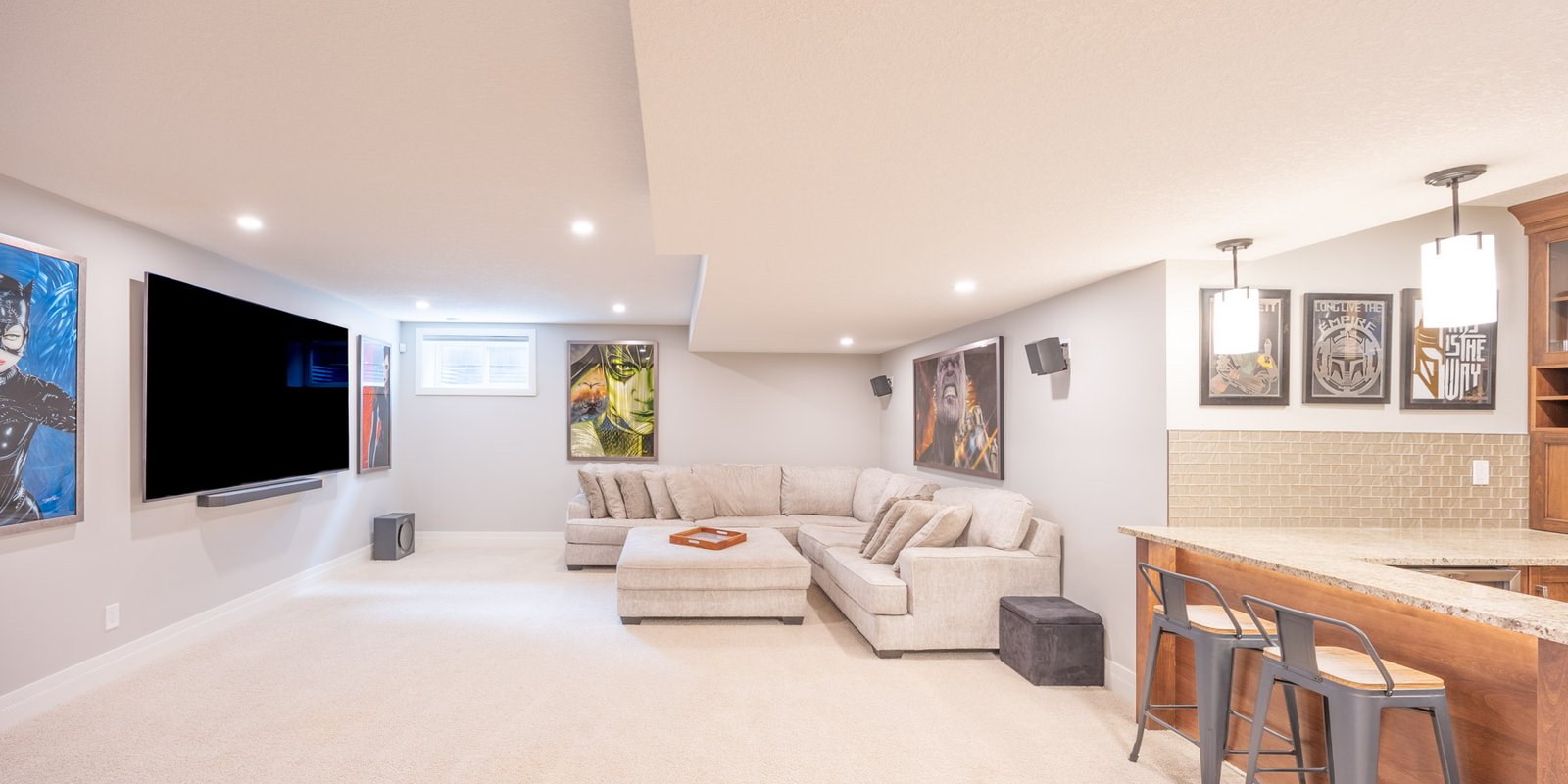
Many homeowners across Alberta decide to skip building permits to save money or avoid the hassle of paperwork. It seems harmless at the time, but renovations without a permit in Alberta can lead to consequences far more costly than the permit itself. Whether you're planning a basement development, home improvements, or a structural addition, knowing what's at stake before you start is essential.
For renovations without a permit, Alberta has clear rules and serious penalties, and this guide walks you through both.
Why Building Permits Exist in Alberta
Building permits are not just bureaucratic red tape. They exist to make sure construction meets safety standards that protect you, your family, and anyone who buys your home in the future. When city inspectors review your plans and inspect your work at key stages, they help confirm that what gets built is structurally sound, properly wired, and safely plumbed.
The Alberta Safety Codes Act: What It Requires
The Alberta Safety Codes Act is the law that governs construction, renovation, and safety compliance across the province. Under the Alberta Safety Codes Act, any renovation work that affects the health or safety of occupants requires homeowners to obtain the necessary permits before breaking ground. As of May 1, 2024, all projects must comply with the National Building Code: 2023 Alberta Edition. This applies to municipalities across Calgary, Airdrie, Cochrane, Okotoks, Chestermere, and Strathmore.
Homeowners in Alberta are responsible for ensuring all required building, electrical, plumbing, and gas permits are obtained before construction begins. That responsibility does not transfer to a contractor unless it is clearly agreed upon in writing.
What Types of Renovations Require a Permit in Alberta
If your project involves any of the following, you will almost certainly need a basement renovation permit or one of several other proper permits, depending on the scope of work:
- Structural changes, including removing or adding load-bearing walls
- New electrical work or panel upgrades
- Plumbing installation or rerouting
- Gas line work
- Building a new deck above a certain height
- Finishing a basement for the first time
Structural changes, new plumbing or electrical work, building new decks, and finishing basements for the first time typically require permits under the Safety Codes Act in Alberta. Building permits are required specifically for projects that impact load-bearing structures or could endanger the health or safety of occupants.
What Renovations Typically Don't Need a Permit
Not every home renovation project requires you to go through the permitting process. Permits are generally not needed for minor, cosmetic, or non-structural alterations where health and safety are not at risk, and the total market value of the work does not exceed $5,000. This can include:
- Painting, flooring, and tiling
- Cabinet replacements that don't involve plumbing changes
- Minor drywall repairs
- Replacing fixtures like light switches or outlets without an electrician doing panel work
If you are asking yourself, do I need a permit to renovate my basement or complete any other project, contact your local municipality before work begins. It is always better to ask than to assume.
The Real Consequences of Renovating Without a Proper Permit
The consequences of not having a permit for renovations in Alberta are serious: unpermitted renovations can lead to significant fines, stop-work orders, forced demolition, and complications with insurance coverage. Many homeowners do not realize the full weight of these risks until they are already in the middle of a problem.
Stop-Work Orders in Alberta: Your Project Gets Shut Down Mid-Build
If city inspectors discover that construction is underway without the necessary permits, they have the authority to issue a stop-work order immediately. This means your project halts, your workers go home, and nothing moves forward until the situation is resolved. Depending on how far along the work is, this can mean days or weeks of delays while you try to get compliance sorted out.
Fines and Penalties Under Alberta Municipal Bylaws
Municipalities can issue stop-work orders and levy fines that exceed the cost of the original permit fees. In Alberta, failing to obtain the required permits can lead to fines that are double the original permit fees. So, the money you thought you were saving by skipping the permit? It can end up costing you significantly more.
You May Be Forced to Demolish Completed Work
This is the outcome most homeowners do not expect. If the work completed does not meet building codes and cannot be brought into compliance, you may be ordered to tear it down entirely. Homeowners who perform renovations without the necessary permits may face the legal requirement to correct deficiencies or demolish the unpermitted work done. That finished basement you paid tens of thousands of dollars to build could need to come out, with no recourse.
Your Home Insurance Could Be Voided or Claims Denied
Insurance policies may deny coverage for damages caused by, or resulting from, unpermitted work. For example, if an electrical fire starts in a basement that was wired without a permit, your insurer may refuse to cover the claim because the work in your house was non-compliant. This is not a technicality they overlook. It is a standard clause in most home insurance policies, and it can leave you paying out of pocket for tens of thousands in damages.
Safety Risks: Fire Hazards, Structural Failure, Electrical Issues
Beyond the legal and financial consequences, there is a real human cost. Unpermitted work is more likely to have safety defects, increasing the risk of structural failure or fire hazards. Without inspections at key stages of a build, problems that a trained inspector would catch go undetected and can seriously hurt you financially or physically down the road. A poorly framed wall, an overloaded circuit, or a water line with inadequate support can all put any person in the house at serious risk.
How Unpermitted Renovations Affect Selling Your Home
Selling a home with unpermitted work can significantly reduce its market value, as buyers often request discounts that exceed the cost of repairs needed to bring the work up to code. This is not just a negotiation tactic. It reflects the real risk that buyers and their lenders are not willing to absorb.
Home Inspectors and Buyers Will Find Unpermitted Work
A thorough home inspector will look for signs of unpermitted work during the inspection process. Mismatched permits, no permit history on record with the city, unusual construction details, and visible code violations are all red flags that a good inspector knows to look for. Buyers are aware of what they are buying into, and discovering unpermitted work mid-deal puts the entire transaction at risk.
Alberta real estate contracts require sellers to disclose any unpermitted work, which can devalue the property and complicate sales. Full disclosure is not optional. If you sell without disclosing known unpermitted renovations, you may be exposing yourself to legal liability.
Lenders and Mortgage Refinancing Issues
If you plan to refinance your home or if your buyer is applying for a mortgage, the lender's appraiser may flag unpermitted work. Lenders do not want to finance a property with outstanding building code violations. This can delay or derail mortgage approvals entirely, which affects you as the seller even though the problem originated with the work you did.
Price Reductions, Failed Deals, and Legal Liability to Buyers
When buyers discover unpermitted renovations, they have options. They can walk away, request a significant price reduction, or, in cases of non-disclosure, pursue legal action after closing. As a seller, you carry the responsibility for what was done to the property. If a previous owner did unpermitted work and you were aware of it, you are still expected to disclose it under Alberta law.
What About Basement Development Specifically?
Basement development is one of the most popular home renovation projects in Alberta, and unfortunately, unpermitted renovation in Alberta is far too common in this space.
Does Basement Development Always Require a Permit in Calgary?
Yes. Finishing a basement for the first time in Calgary requires a basement development permit, as well as separate permits for electrical, plumbing, and gas work if those are involved. Calgary building permit rules for basement Alberta developments leave no grey area, and the City expects full compliance. There is no grey area here for first-time basement finishing. If you are adding a bedroom, bathroom, or any livable space, you need to go through the permitting process.
For homeowners in surrounding areas, the same rules apply. Whether you are in Airdrie, Cochrane, Okotoks, Chestermere, or Strathmore, your municipality has its own permit requirements that align with provincial codes.
What Inspections Are Required During a Basement Build in Alberta
A typical permitted basement development in Alberta will go through multiple inspection stages. These generally include:
- Framing inspection before insulation is installed.
- Electrical rough-in inspection
- Plumbing rough-in inspection (if applicable)
- Insulation inspection
- Final inspection once all work is complete
Building permits may take approximately two weeks for processing, and inspections must be scheduled with at least two days' notice. Planning this into your project timeline from the start is a straightforward way to avoid delays.
The Cost of Doing It Right vs. the Cost of Getting Caught
The cost of a basement development permit in Calgary is based on the value of the construction. For most basement projects, this is a few hundred dollars. Compare that to the potential cost of fines that double your permit fees, forced demolition, or the discount a buyer demands when they discover unpermitted work. Doing it right the first time is the smarter financial decision.
Can You Get a Retroactive Permit in Alberta?
What Is a Retroactive (After-the-Fact) Permit?
A retroactive permit, sometimes called an after-the-fact permit, is a permit obtained after the work has already been completed. Some municipalities in Alberta do allow this process, but it is not a simple or guaranteed fix. It is more difficult, more expensive, and more stressful than obtaining a permit before work begins.
The Process and Challenges of Getting One in Calgary-Area Municipalities
To obtain a retroactive permit, you will typically need to hire an engineer to assess the completed work and provide drawings that demonstrate code compliance. Inspectors will then inspect the work, which may require opening up walls, ceilings, or floors to examine what was done without visibility. Homeowners may face significant stress and financial burden when rectifying unpermitted work, including the need for engineering drawings and potential demolition of non-compliant structures.
The process varies by municipality, and not all cities in the Calgary area handle after-the-fact applications the same way. Contacting your local permits office directly is the most reliable way to understand what the process looks like in your specific city.
When Retroactive Permits Are Denied, and Demolition Is Ordered
If the work does not meet building codes and cannot be brought into compliance without being rebuilt, a retroactive permit may be denied outright. In those cases, demolition of the non-compliant structure may be ordered. This is not a theoretical risk. It happens, and it is a devastating outcome for homeowners who thought they were saving money by skipping the permit in the first place.
How to Avoid Permit Problems: Work With a Licensed Contractor
Why Hiring a Professional Contractor Who Pulls Proper Permits Protects You
A licensed contractor understands Alberta's building codes and knows which permits are required for your specific project. They are accountable to a professional standard, make sure the work complies with Alberta's building codes, and can be held responsible for errors in a way that an unlicensed tradesperson cannot. Hiring a professional also ensures the work is done correctly the first time, which means inspectors are more likely to approve it without costly corrections.
How Basement Builders Handles Permits in Calgary, Airdrie, Cochrane, Okotoks, Chestermere, and Strathmore
At Basement Builders, permits are part of the job. The team handles the permitting process on your behalf, so you are not left navigating municipal requirements on your own. This includes coordinating with city inspectors, scheduling required inspections at each stage, and ensuring your basement renovation meets Alberta's current building codes from start to finish.
Whether you are in Calgary or one of the surrounding communities, Basement Builders manages the process so your project is legally compliant, properly inspected, and built to last.
Red Flags: Contractors Who Tell You to Skip the Permit
If a contractor suggests doing the work without a permit to save money or speed things up, that is a significant red flag and a clear sign of limited knowledge of Alberta's building regulations. A reputable contractor does not take that risk with your property. Skipping the permit protects nobody except the contractor who wants to avoid scrutiny of their work. You, as the homeowner, are the one left holding the liability.
Renovations Without a Permit, Alberta - FAQs
Common FAQs about Basement Renovation without a Permit:
Do I need a permit to finish my basement in Alberta?
Yes. Finishing a basement for the first time requires a building permit, along with separate permits for any electrical, plumbing, or gas work involved. This applies across Calgary and surrounding municipalities.
What happens if you get caught renovating without a permit in Alberta?
You may receive a stop-work order, face fines that double the original permit fees, be required to bring the work into compliance, or be ordered to demolish the unpermitted work.
Can unpermitted renovations affect my home insurance?
Yes. If damage occurs in an area where unpermitted work was done, your insurer may deny the claim on the basis that the work did not meet building codes. This is a standard clause in most Canadian home insurance policies.
Can I get a retroactive permit for work already done in Alberta?
In some cases, yes. However, the process requires engineering drawings, inspections that may involve opening walls, and there is no guarantee the permit will be granted. If the work does not meet code, demolition may be required.
Will a home inspector find unpermitted renovations?
A thorough inspector will look for signs of unpermitted work, including inconsistencies in construction, no permit history on file with the city, and visible code violations. Buyers interested in purchasing a home are increasingly aware of this risk and will often request a discount or walk away.
Does Basement Builders pull permits on my behalf?
Yes. Basement Builders manages the full permitting process for your project, from application through final inspection, so you are covered from day one.
What is the fine for renovating without a permit in Alberta?
Fines vary by municipality, but Alberta law allows for penalties that can be double the cost of the original permit fees. Additional costs may include legal fees and the expense of correcting or demolishing non-compliant work.
How long does it take to get a building permit in Alberta?
Processing times vary, but plan for approximately two weeks. Inspections during the build also require at least two days' advance notice, so factoring this into your project schedule from the start prevents unnecessary delays.
Can unpermitted work affect my ability to sell my home?
Yes. Alberta real estate law requires sellers to disclose unpermitted work. Buyers may request price reductions, and lenders may refuse to finance a property with outstanding code violations, which can derail a sale entirely.
Who is responsible for permits: me or my contractor?
The homeowner is ultimately responsible for ensuring all required permits are obtained before construction begins. However, a reputable contractor will typically handle this process on your behalf, as Basement Builders does.

Don't Risk It — Get It Done Right
Skipping a permit might seem like a straightforward way to save time and money, but the risks to your property, your finances, and your family's safety are real. From stop-work orders to voided insurance and failed home sales, the consequences of unpermitted work in Alberta far outweigh the convenience of cutting corners.
Basement Builders takes the guesswork and the legal risk out of the equation. The team handles the permits, manages the inspections, and builds to Alberta's current code standards, so your investment is protected from the start.
Keep reading
Basement Suites - Rules and Regulations
In Calgary, there are many rules and regulations regarding basement suites and these can be very confusing for homeowners.
Read More ›
City of Calgary Basement Permit: The Complete Guide to Development & Renovation Permits
Adding a finished basement can add value to your home. Does the City of Calgary require basement development permits? We answer this and mo…
Read More ›
Mike Holmes’ Top Basement Renovation Tips to Boost Home Value
Mike Holmes recommends hiring trusted basement developers like Basement Builders in Calgary for quality renovations. Featured ideas include…
Read More ›