Rental revenue is a great source of income for first-time homeowners. With Calgary’s rental market increasing by about 12% compared to the previous year, it’s an opportune time to be transforming one's basement suite into a potential rental hotspot for tenants. for first-time homeowners.
It can be very tempting for some homeowners to make things a little easier on themselves during an economic slowdown by adding a basement suite and attracting potential tenants. Rental revenue is a great source of income for first-time homeowners. Older people might also wish to remain in their homes but no longer need all the space in the house. Creating a basement suite allows them to stay in the city they prefer. Basement Builders has a guide for you to follow on how to legalize your illegal basement in Calgary, how to create a legal basement, and notes on what makes a legal basement suite in the city of Calgary. Read on for more information, or give us a call to ask about basement construction in Calgary and how to ensure your existing suite is “legal.”
What is the difference between legal and illegal basement suites in Calgary?
Choosing to do basement renovations or development in Calgary is a wise decision in 2026. Now that there are provincial incentives, many residents are choosing to improve their homes, including finishing their basement suites rather than moving elsewhere.
One of the popular ways to renovate a basement is by turning it into a rental suite. A basement suite made into a tenant suite can generate extra income for you. What's important for homeowners to know is that there are many considerations to make before building their basement suites into rental suites. The most important consideration is legality. A legal basement suite meets all the legal requirements specific to the city of Calgary, as opposed to illegal basement suites that are missing some important safety features.
In this blog, we go through the difference between legal and illegal basement suites in Calgary, highlighting the most important characteristics of both, and giving you a quick guide on how to legalize illegal suites.
What is a Legal Basement Suite?
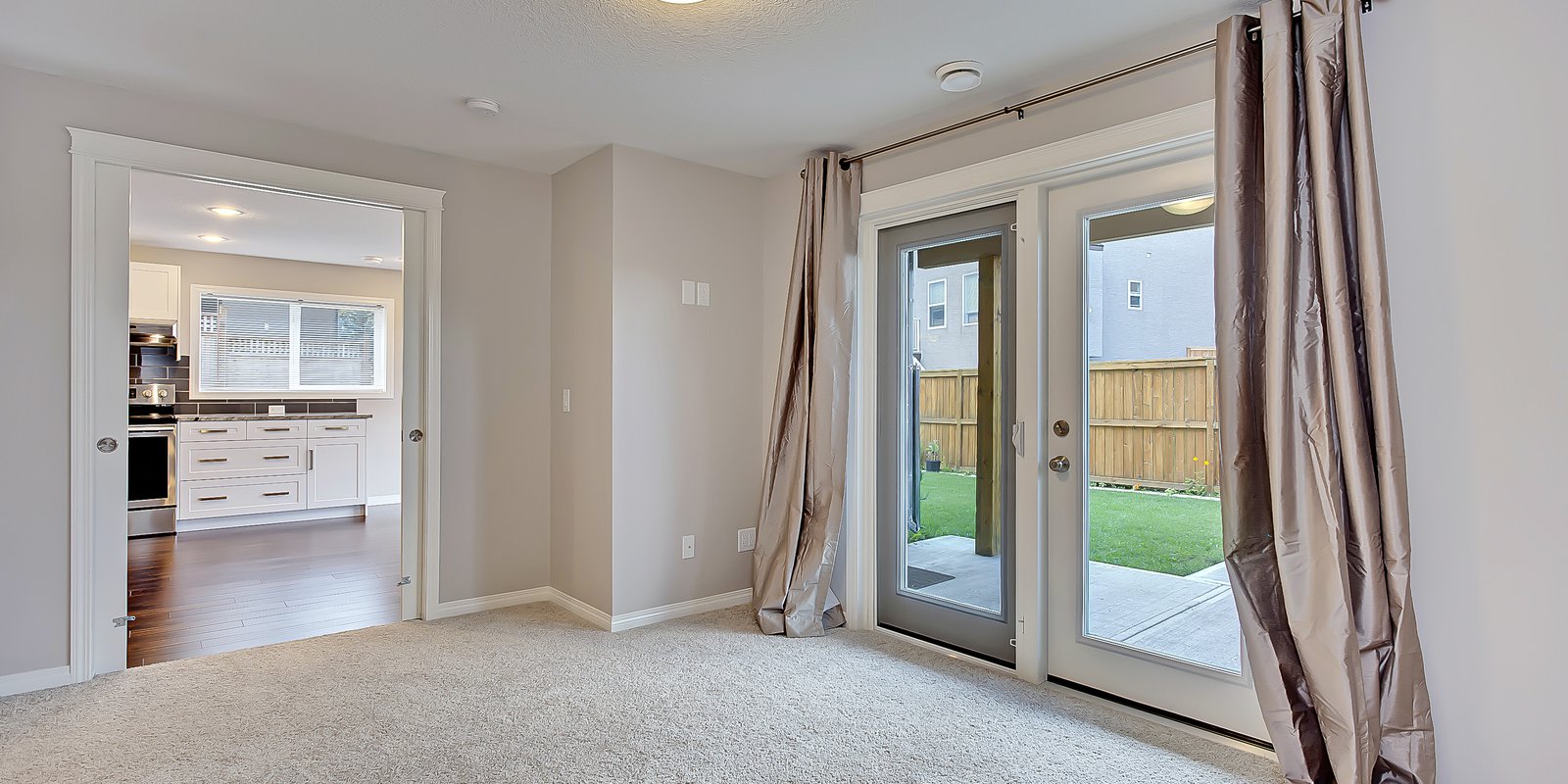
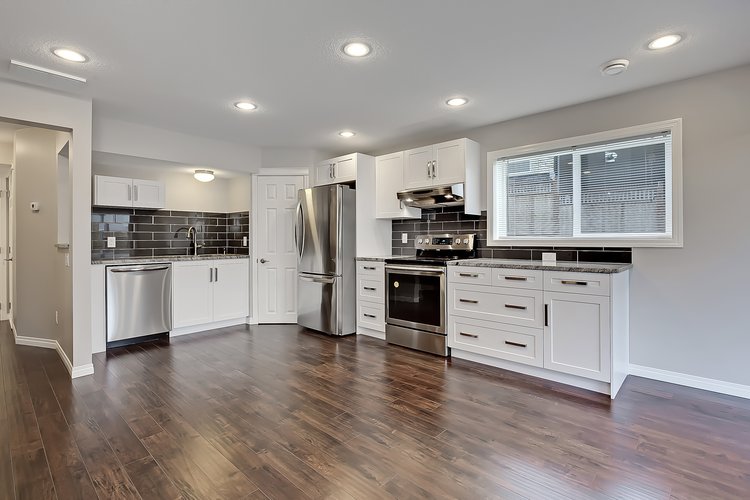
Secondary suites are defined as self-contained residential areas within an existing home that was originally built for a single family. In Calgary most of these are in basements. The suite has separate living and sleeping areas, including bathrooms and kitchens, but might share some things with the other residents, such as parking, a yard or garden area, laundry or storage facilities, and so on.
However, although this may seem like an easy solution to generate extra income in the short term and add long-term value to your home, there are lots of things to consider. Just because you have an existing suite in your basement or the ability to turn your downstairs living area into a tenant suite, that does not necessarily mean that it is a legal basement suite.
What Makes a Basement Illegal?
Any basement development in Calgary where a suite was built without adequate permits or was built in an area of Calgary where secondary basement suites are not allowed is deemed an illegal basement. On the other hand, illegal basement suites lack all these building and development requirements. In other words, they lack the proper permits that ensure they adhere to safety regulations. For example, if a basement has inadequate fire safety systems, like proper smoke alarms, it poses risks for occupants in case of fire. Not abiding by the regulations or adhering to the City of Calgary’s basement development permit requirements can make your basement suite illegal. Here are some of the key features of illegal basement suites that make them safety hazards.
- The basement was built without first acquiring adequate permits.
- Lack of egress windows in living spaces that open to the outside.
- Lack of a separate hot water supply.
- Lack of electrical panel access.
- Lack of a proper ventilation system
- Lack of safety devices for fire protection, like smoke alarms and carbon monoxide detectors.
What makes a basement suite legal in Calgary?
The city of Calgary currently requires the following to make a legal basement suite:
- An exit door that can swing inward and lead to the outside.
- Carbon monoxide detectors and smoke alarms.
- Proper Egress windows (which are large enough to serve as an alternative escape route)
- A separate heating system. Any legal basement built after March 2018 is required to have systems that are separate from the main residence.
- Electrical panel – while this can be shared between the main residence and suite, they cannot share branch circuits. The electrical systems should be in a place where anyone can access them.
- Adequate up-to-date plumbing, including a sink, bathtub, and shower – as well as a hot water supply that is separate from the main residence.
- Submit detailed building plans specific to the city of Calgary regulations and local building codes. You can find these on the city of Calgary's website or consult with Basement Builders' expert team for specifics.
Ensuring it meets all legal requirements is essential if you're planning a basement development in Airdrie or Calgary. At Basement Builders, we serve Airdrie and the surrounding areas, specializing in creating safe, functional, and fully compliant basement suites tailored to your needs.
Note that the rules for legal basement suites change by year.
It might seem like a lot, but these rules are designed to protect both you, as the property owner, and anyone who intends to occupy the basement suite. Basement Builders can help ensure your basement suite is legal and avoid any trouble with the City of Calgary. Basement Builder's teams are some of the best at creating your dream basement suite – while also staying within the rules and regulations.
How to Check If Your Basement Suite Is Legal VS. Illegal
Legal basement suites must comply with the current National Building Code – Alberta Edition, which includes safety considerations that must be in place in any secondary suite. The fastest way to find out if the basement suite is legal or not is to check if it's registered or not in the City of Calgary’s Secondary Suite Registry.
This registry map has all the basement suites that comply with city regulations. If the suite is registered, it means that it has proper permits, complies with Land Use Bylaw zoning, and passes all the safety codes.
If it's not registered, it probably lacks some of the safety regulations and requires some work to be compliant. It's important to always remember to acquire all the right permits before starting the work to legalize the basement suite, not after.
What Are the Fines for an Illegal Basement Suite?
The fines for illegal basement suites are unforgiving in Calgary because an unsafe basement suite can be dangerous for occupants, as well as anyone who lives in the building. Owners of illegal suites can face fines up to $25,000 for individuals and $50,000 for corporations. Major fire code violations can cost you up to $40,000.
Besides these fines, there is a daily fine of $500 for ongoing violations. That means work needs to be done as soon as the violations are detected by the city.
Moreover, renting an illegal basement suite can lead to fines and penalties from the City of Calgary, including eviction orders and the requirement to shut down the rental operation.
City of Calgary: Legal Basement Suites Requirements
As you might imagine, legal basement suites are ones that were built in compliance with all the correct rules and with all the right permits. If things have changed since the original construction, the suite needs to meet all the current regulations, as determined by the City of Calgary.
The City might also approve a legal suit if certain rules are relaxed for an existing situation, provided extenuating circumstances, but in other cases, there may need to be some changes before you can officially legalize an existing secondary suite.
There are many illegal basement suites in Calgary. These were built without the required permits, did not follow the rules, and were built in areas of the city where secondary suites are not permitted. Some of the basement suites in Calgary also fall into the non-conforming category, making them illegal basement suites.
This means that they were built legally at the time, but don't conform to current City regulations. This doesn't necessarily mean that the original builders did anything wrong, since requirements change over time, as do zoning and land use rules in various parts of Calgary. In some of these cases, the rules might be waived after the suite has undergone an inspection.
If you do decide to go ahead with basement development or make sure that an existing one is a legal basement, you can easily check with the City to determine if basement suites are permitted in your neighbourhood.
You'll also get an idea if your main residential property is large enough to add a legal suite. This is particularly important in parts of the city where some of the older homes may be smaller.
If the house isn't that large, you may not be able to obtain permission to add a downstairs suite. A thorough investigation will also tell you if your downstairs area is even suitable to renovate so that it will be able to comply with all the legal basement suite requirements in Calgary.
How to Legalize an Existing Suite in Calgary
The good news is that an existing suite can be legalized. Here are the steps to making your basement suite legal:
- Check zoning: The most important step is to make sure that your building and area both allow secondary suites. Suites are only allowed within single-detached or contextual single-detached dwellings. To verify your zone, you need to enter your address into the City of Calgary property information tool to confirm that your zone allows for secondary suites.
- Submit application: Apply through the City of Calgary, providing an Existing Secondary Suite Information Sheet, a signed Owner Declaration, site plans, and colored photos of the kitchen, bathroom, exits, and windows.
- Ensure safety compliance: Make sure that your basement complies with all safety regulations, like egress window size, electrical panel access, fire safety, and more.
- Apply for permits: Apply for a building permit, which works as a safety approval, and a development permit if needed for planning approval.
- Inspections: A city inspector will inspect framing, plumbing, and electrical systems. If they meet the requirements, your basement will get registered. If not, you may be forced to shut it down.
How to Report an Illegal Basement Suite in Calgary
Illegal basement suites are a common issue in Calgary, with homeowners renting out unfinished or non-compliant spaces that pose safety risks. If you suspect a basement suite is illegal, it’s important to take action to protect yourself and others.
Signs of an Illegal Basement Suite: to be sure when reporting an illegal one
Make sure there are obvious signs of non-compliance before filing a report. Typical indicators include
- Inadequate emergency exits or windows.
- plumbing and problems with electricity.
- Inadequate ventilation systems or overcrowding.
- unsafe circumstances, such as inadequate insulation or exposed wiring.
If you’re unsure about a basement suite’s legality, consult the City of Calgary’s secondary suite registry, which lists approved legal basement suites.
The city will investigate your complaint and take appropriate action if the basement suite is found to be illegal. These may consist of homeowner fines and remediation deadlines to bring the unit up to code.
Costs of a Legal Basement Suite in Calgary, Alberta
In addition to increasing the safety and value of your home, building a legal basement apartment in Calgary, Alberta, is required by law if you intend to rent out the room. However, there are a number of expenses involved in turning a basement into a conforming room, including building permits. We provide the most important cost variables and aspects below to assist you in creating an efficient budget.
Key Cost Factors
- Permits and Inspections: Obtaining the necessary permits—building, plumbing, electrical, and sometimes gas—ensures your suite meets Calgary's strict building codes. Costs typically range from $1,300 to $4,000+, depending on the scope of work, development permit requirements, engineering needs, and municipal fees. Additional inspection fees may apply if multiple visits are needed to verify compliance.
- Construction Costs: Renovation expenses vary widely based on the basement's starting condition. If the space is unfinished, expect to pay for framing, drywall, insulation, flooring, plumbing, HVAC upgrades, kitchens, bathrooms, and fixtures. A full legal basement suite build-out now typically costs between $58,000 and $140,000+, with premium finishes, underpinning, or complex layouts pushing costs even higher. For already finished basements, costs may be lower—potentially $40,000 to $80,000—for code-specific upgrades and legalization work.
- Egress Windows: Calgary's building code requires properly sized egress windows for emergency exits in sleeping areas. Installing or enlarging windows to meet these standards, including cutting through concrete foundations and adding window wells, typically costs $3,000 to $7,000 per window. The price depends on size, drainage requirements, accessibility, and labour complexity.
- Separate Entrances: A dedicated, exterior entrance is mandatory for a legal basement suite. This may involve excavation, installing a door, concrete cutting, and adding stairs or a walkway. Costs average $5,000 to $15,000+, but can climb higher if significant structural changes, landscaping, drainage systems, or heated steps (to manage snow and ice) are required.
- Safety Improvements: Adherence to safety and fire codes is mandatory. This entails setting up carbon monoxide alarms, interconnected smoke detectors, fire-rated drywall, smoke-tight barriers, fire-rated doors, and HVAC modifications. Depending on the size of the suite and whether additional upgrades like emergency lighting or mechanical room separation are required, budget between $2,000 and $12,000+.
Other Things to Think About
- Time: Renovations can take an average of three to six months to finish, depending on materials availability, the builders responsible, and other things. Like permitting delays or inspections could lead to increased costs if deadlines are prolonged.
- Hidden Costs: Older homes may reveal surprises like asbestos removal ($2,000–$10,000) or foundation repairs ($5,000–$20,000), so budget for contingencies.
- Return on Investment: A legal suite can increase property value and generate rental income (e.g., $1,200–$2,000/month in Calgary), offsetting costs over time.
- Costs can vary based on your home’s age, size, and existing condition, as well as contractor rates and material choices.
At Basement Builders, we’re familiar with all the city and provincial rules and regulations relating to legal basement suites. Whether you’re in High River, Harmony, De Winton, Carstairs, or Langdon, we can help ensure that your basement suite development is in full compliance with the law.
FAQs
FAQs About Basement Suite Legality:
Can I turn my basement into a rental unit?
Yes, turning your basement into a rental unit is an excellent way to gain rental income. However, you do still need to get all the required development permits to ensure tenant safety.
What are the benefits of having a legal basement suite?
Having a legal basement suite allows homeowners to generate higher rental income, as tenants are often willing to pay a premium for safe and compliant living spaces. Also, legal basement suites can increase the value of a home, making it more attractive to potential buyers and providing a higher return on investment (ROI) of roughly 70% for finished basements.
How much does basement legalization cost?
The cost of legal basement development depends on how much work it needs to be compliant. It may cost between $15,000 and $50,000 on average.
Can I get financial assistance to legalize my basement?
Yes, the City of Calgary offers up to $10,000 via the Secondary Suite Incentive Program to help cover costs. While the program accepts limited admissions, it's advisable to try applying.
Can you rent an illegal basement?
While many people do rent illegal basement suites, it's not recommended. Not only are illegal basements considered a safety hazard, but if discovered by the city, you may be forcefully evicted.
What is the meaning of secondary suites?
A secondary suite is a unit that exists within a property that has a main dwelling unit. The secondary unit features its own kitchen, bathroom, and entrance, making it a functioning household.
Keep reading
Basement Suites - Rules and Regulations
In Calgary, there are many rules and regulations regarding basement suites and these can be very confusing for homeowners.
Read More ›